AI Blog Automation in 2026: WordPress vs Next.js + Sanity
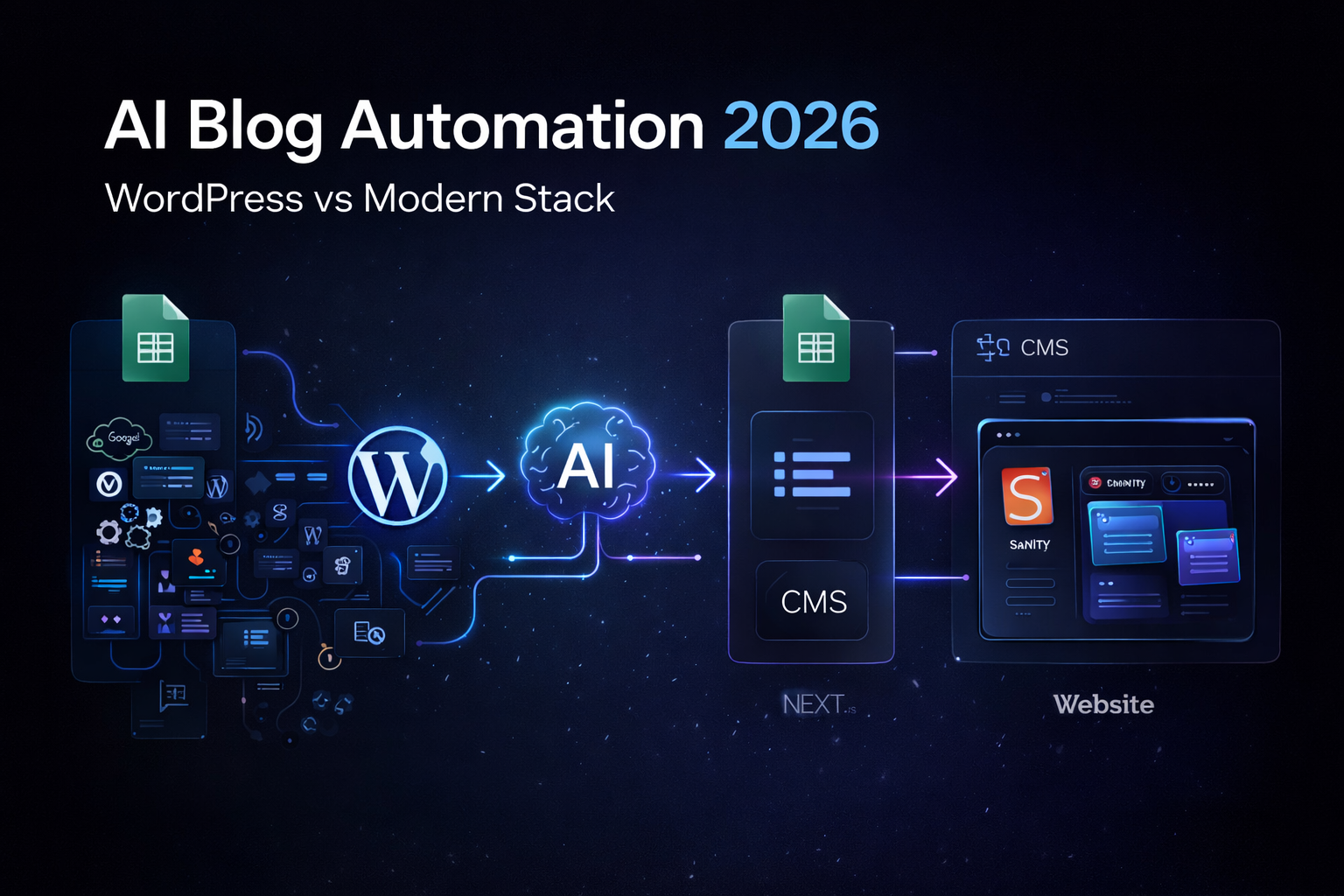
AI-assisted publishing is becoming a real workflow, not just a trend.
Teams now want to:
- generate drafts from prompts
- review content quickly
- publish at scale
- keep SEO and performance intact
The problem is that many automated blog setups are still built on systems that were not designed for modern content operations.
The most common example is WordPress automation.
It works. But it is not always the best long-term stack.
This guide compares two common approaches:
- WordPress automation
- Next.js + Sanity automation
The goal is not hype. The goal is to understand which setup actually wins for speed, SEO, scale, and editorial control.
The Automation Workflow Everyone Is Talking About
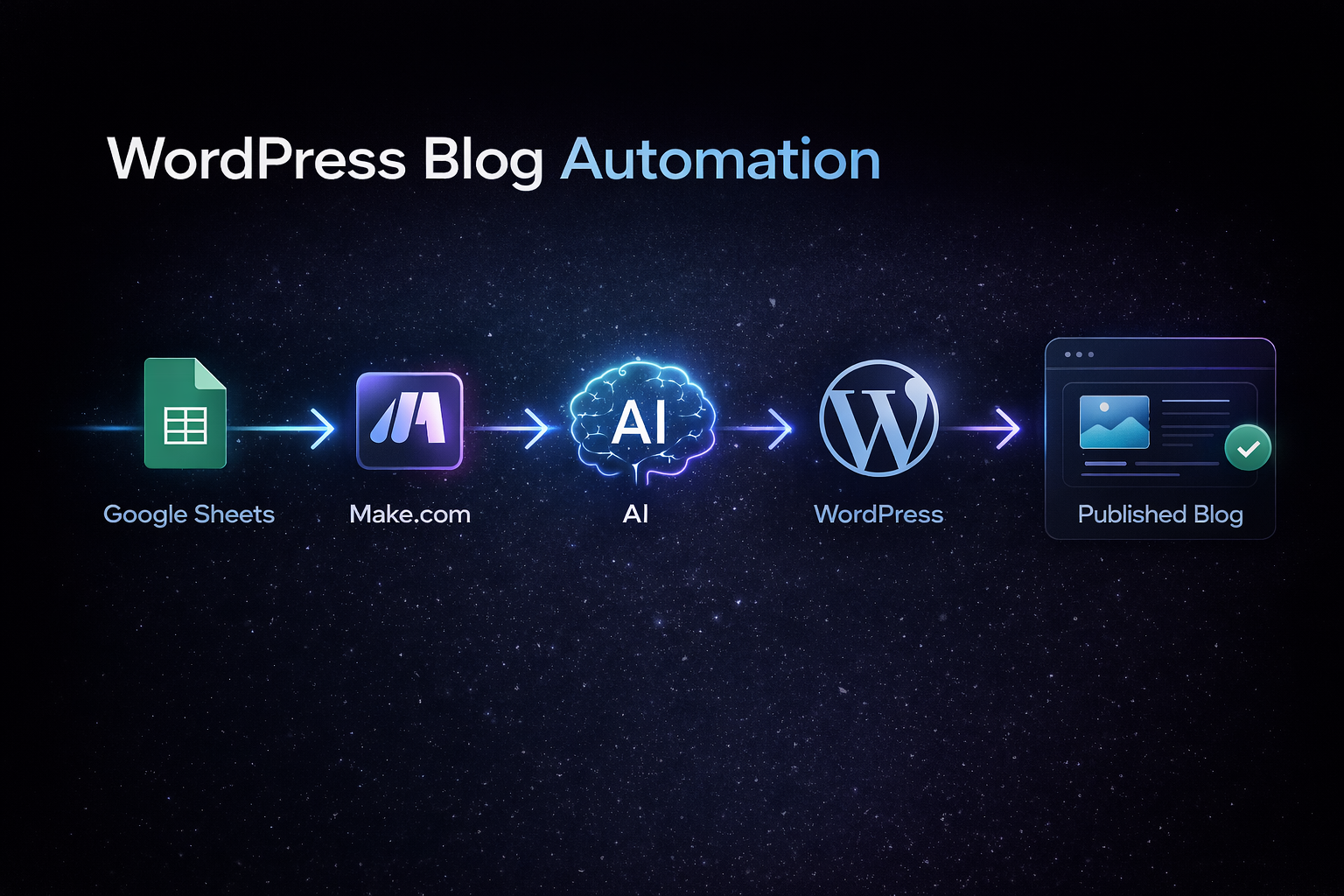
A typical AI blog automation setup looks like this:
- Google Sheets for topic input
- Make.com or Zapier for orchestration
- AI for draft generation
- WordPress for publishing
That creates a basic pipeline:
Topic -> AI draft -> Automation trigger -> Blog post published
This is attractive because it is fast to set up and easy to understand.
For many teams, that is the first automation stack they try.
The Hidden Problems with WordPress Automation
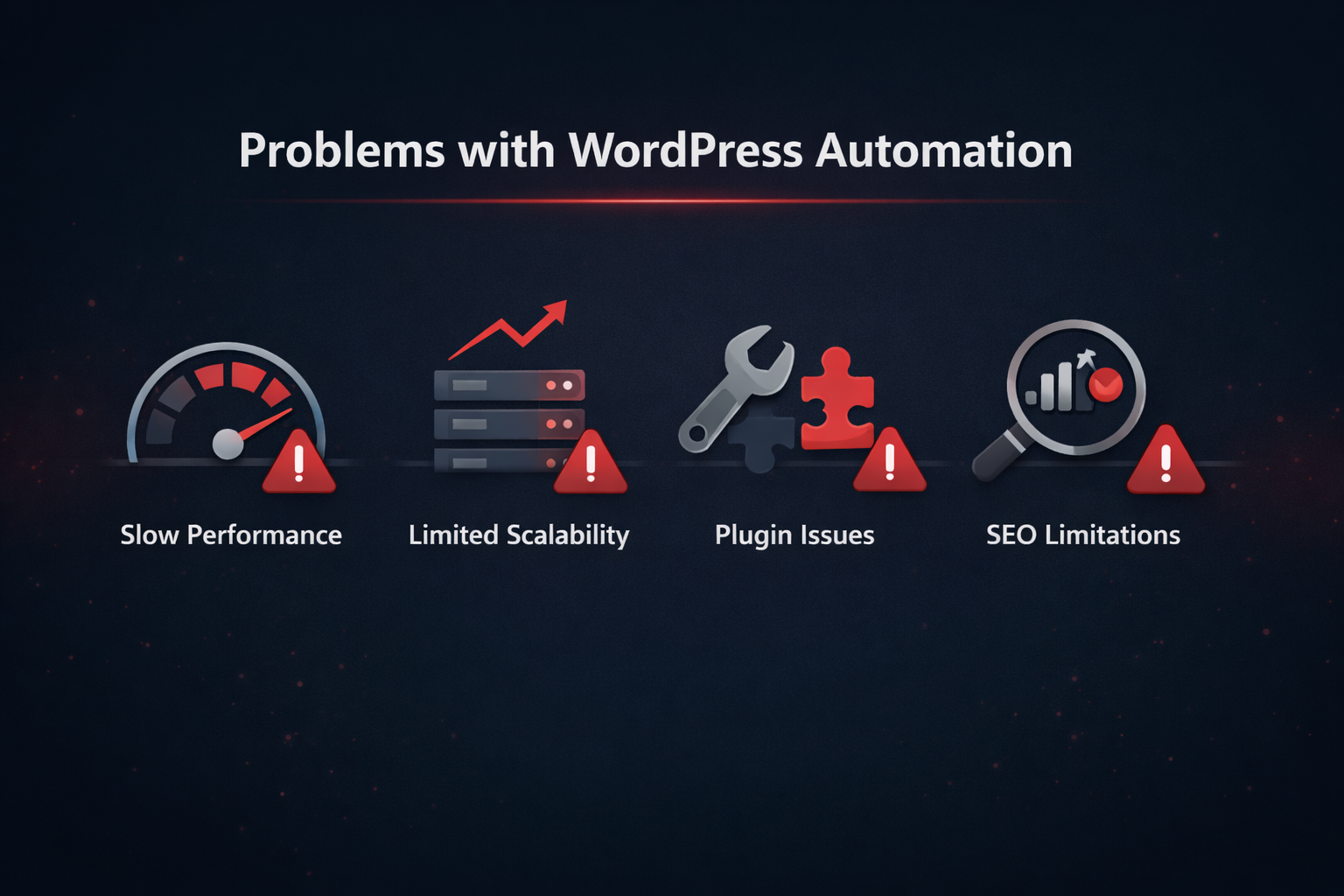
WordPress automation works, but it introduces limitations once content velocity increases.
| Problem | Impact |
|---|---|
| Performance | Slower frontend experience |
| Scalability | Harder to manage at larger volume |
| Flexibility | Limited custom architecture |
| Developer dependency | Changes can become messy |
| SEO control | Good, but not always optimal for custom workflows |
The key point is this:
Automation is not the same as optimization.
You can automate publishing and still end up with a slower, harder-to-scale system.
The Modern Alternative: Next.js + Sanity Automation
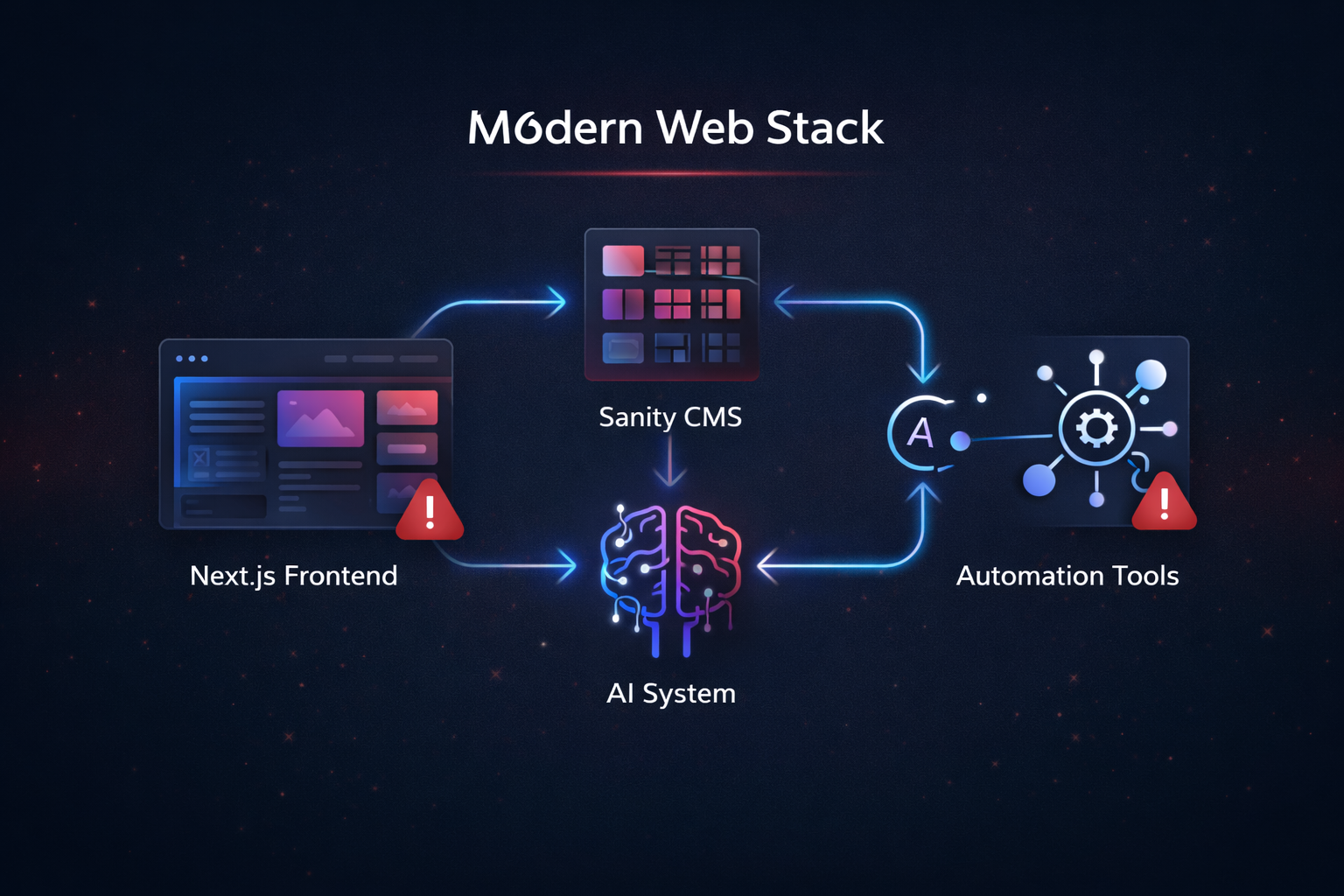
A more modern setup uses:
- Next.js for the frontend
- Sanity for structured content management
- AI tools for draft generation
- automation tools for workflow orchestration
This approach separates:
- content generation
- content storage
- content rendering
- frontend performance
That separation makes the system easier to evolve over time.
How Modern AI Blog Automation Works
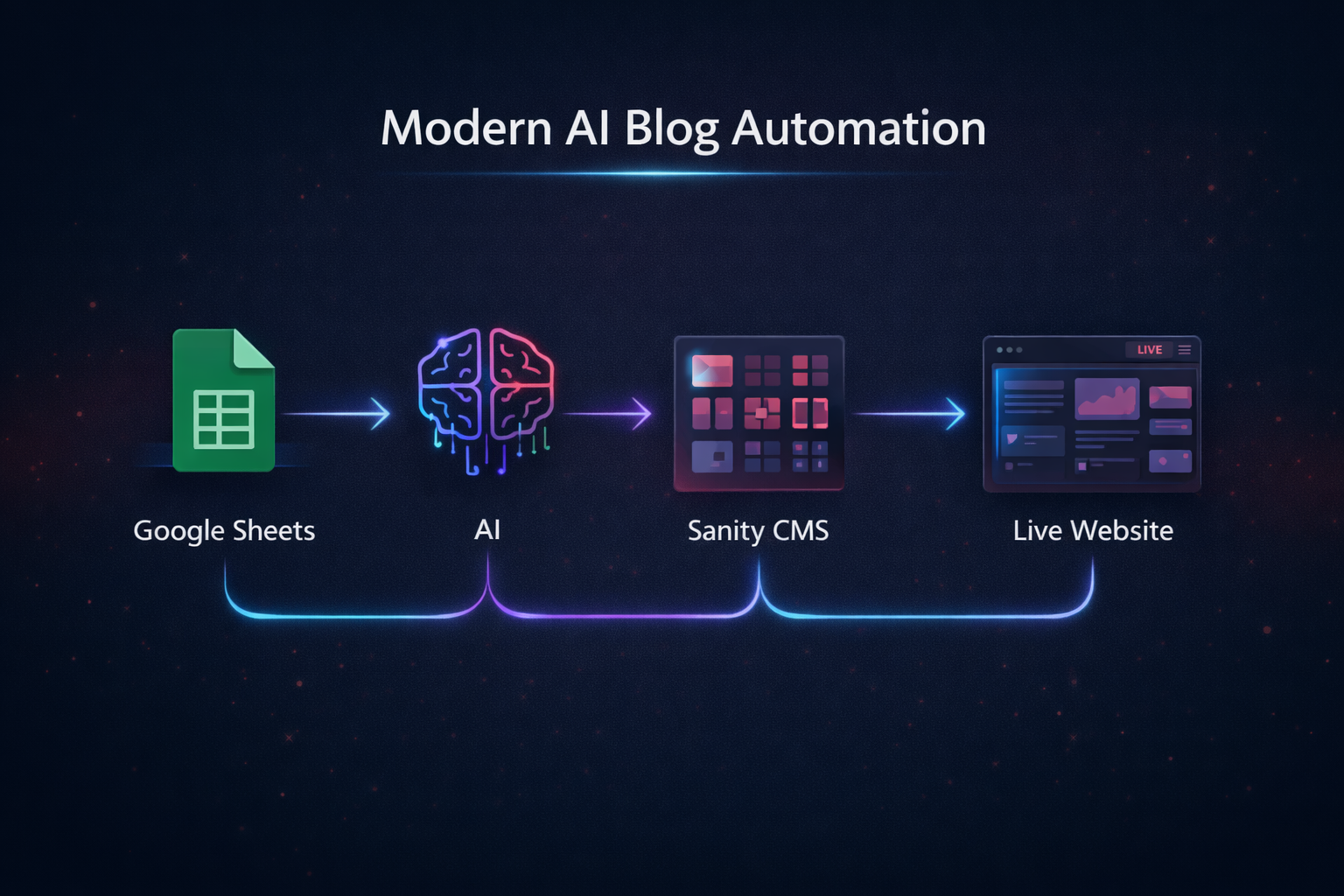
A practical flow looks like this:
Google Sheets -> AI -> Sanity CMS -> Next.js -> Live website
In this model:
- AI creates or enriches the draft
- automation pushes structured data into Sanity
- Next.js renders the final page with performance and SEO control
This is a much stronger foundation for teams that care about long-term growth rather than only fast setup.
Why This Setup Is Better for Modern Content Teams
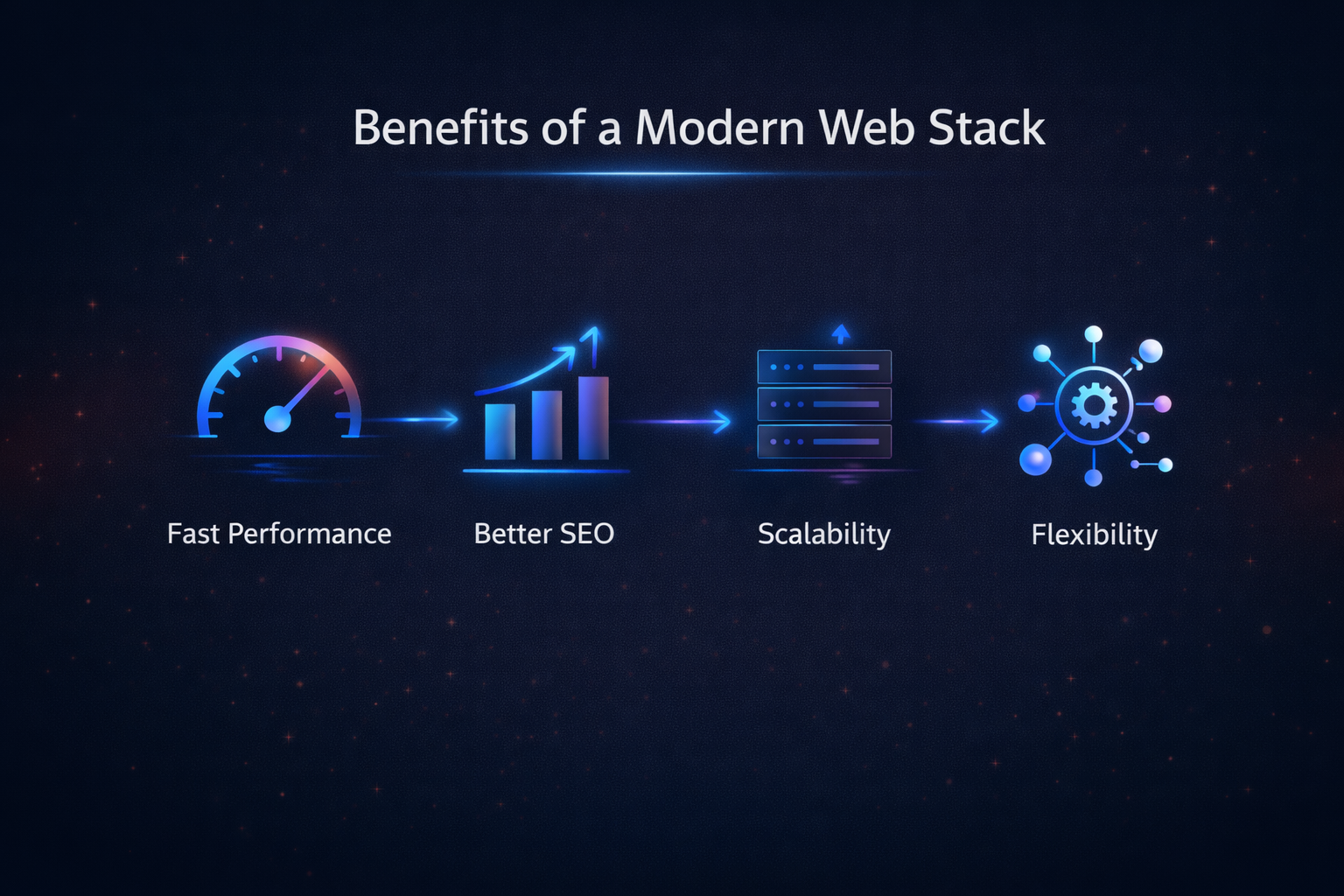
Performance First
Next.js gives teams:
- faster load times
- stronger Core Web Vitals
- cleaner rendering control
- better technical SEO foundations
Structured Content
Sanity is especially useful because it stores content as structured data rather than just page-level blobs.
That enables:
- reusable content models
- easier schema control
- cleaner editorial workflows
- more flexible delivery across pages and channels
Real-Time Content Operations
Depending on implementation, content can update in near real time without forcing a full rebuild workflow for every publishing action.
Full Platform Control
A custom frontend means you fully control:
- UX
- branding
- performance strategy
- content architecture
That matters when content is part of growth, not just documentation.
WordPress vs Next.js + Sanity: Full Comparison
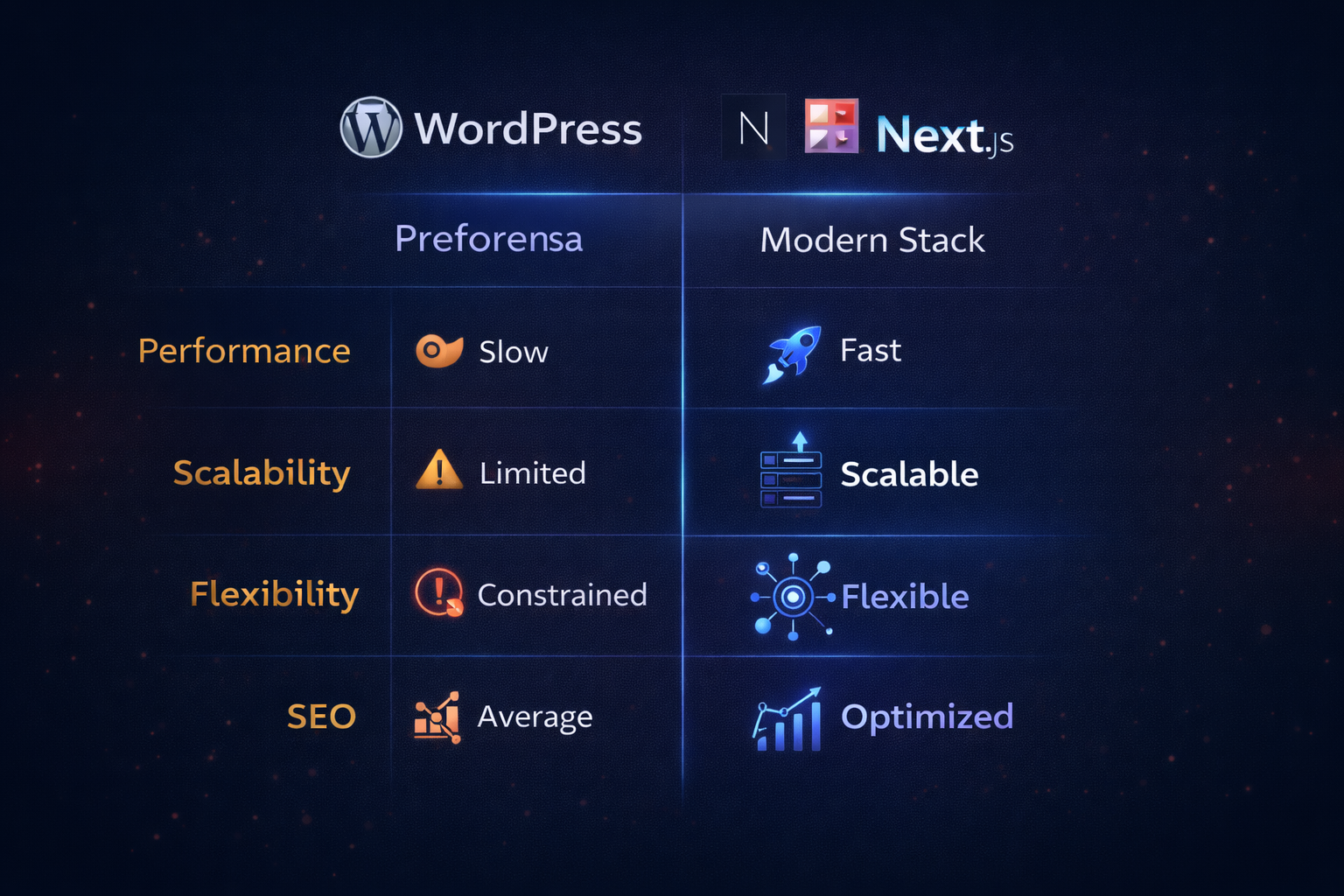
| Feature | WordPress Automation | Next.js + Sanity |
|---|---|---|
| Ease of Setup | Easy | Medium |
| Performance | Medium | High |
| SEO Potential | Good | Excellent |
| Scalability | Limited | High |
| Flexibility | Low | Very High |
| Automation Depth | Possible | Powerful |
The short version:
- WordPress is easier to start
- Next.js + Sanity is stronger for long-term scale
If you care only about getting something live quickly, WordPress can be enough.
If you care about performance, maintainability, and future flexibility, the modern stack usually wins.
Automation Tools You Can Use
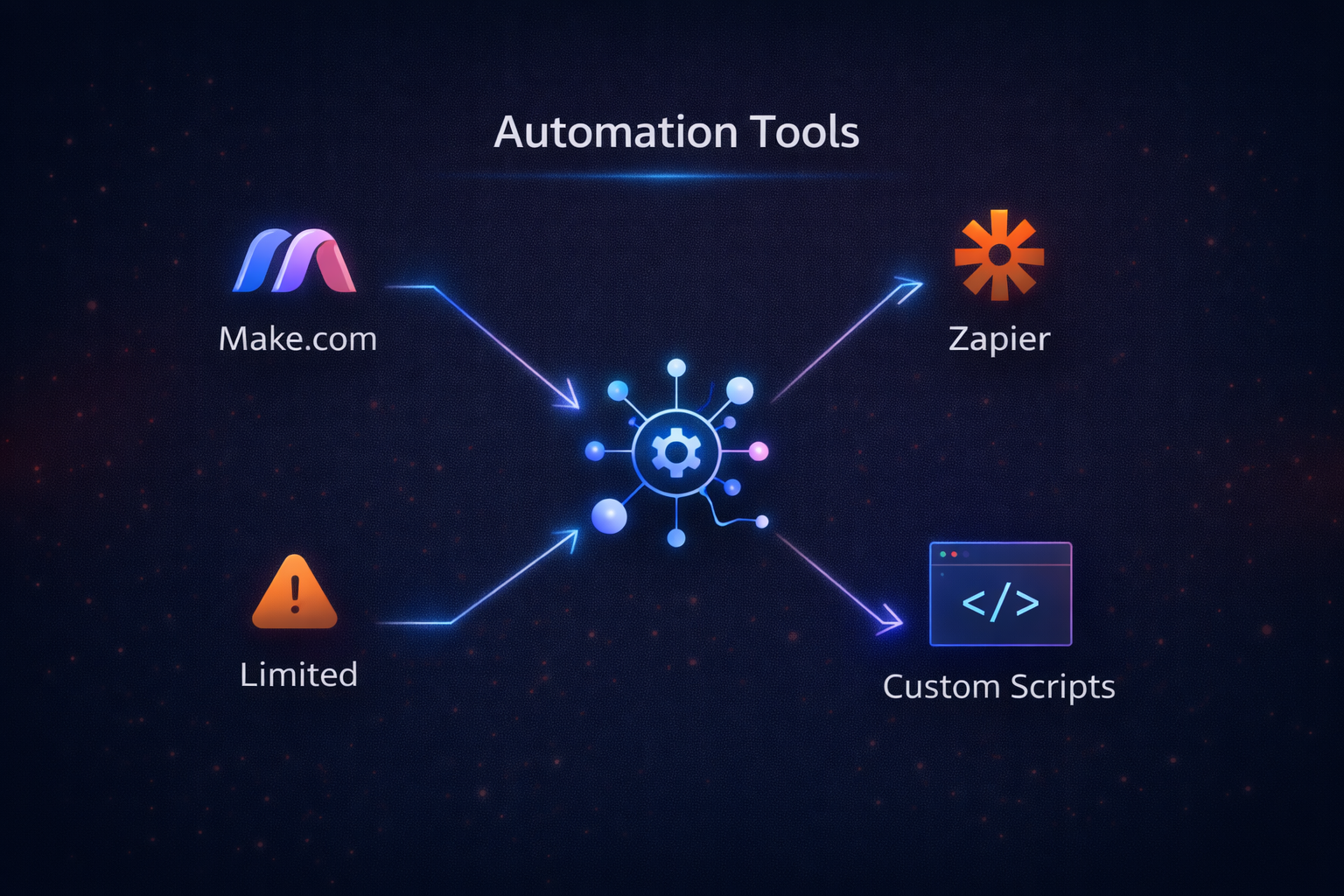
Make.com
Useful for:
- visual workflow building
- content triggers
- integrations with sheets, APIs, and CMS tools
Zapier
Useful for:
- quick setup
- simpler automation chains
- beginner-friendly workflows
Custom Node Scripts
Useful for:
- full control
- richer content processing
- custom validation and publishing logic
For serious production systems, a hybrid approach is often best:
- automation platform for orchestration
- custom scripts for content formatting and validation
Pricing Comparison
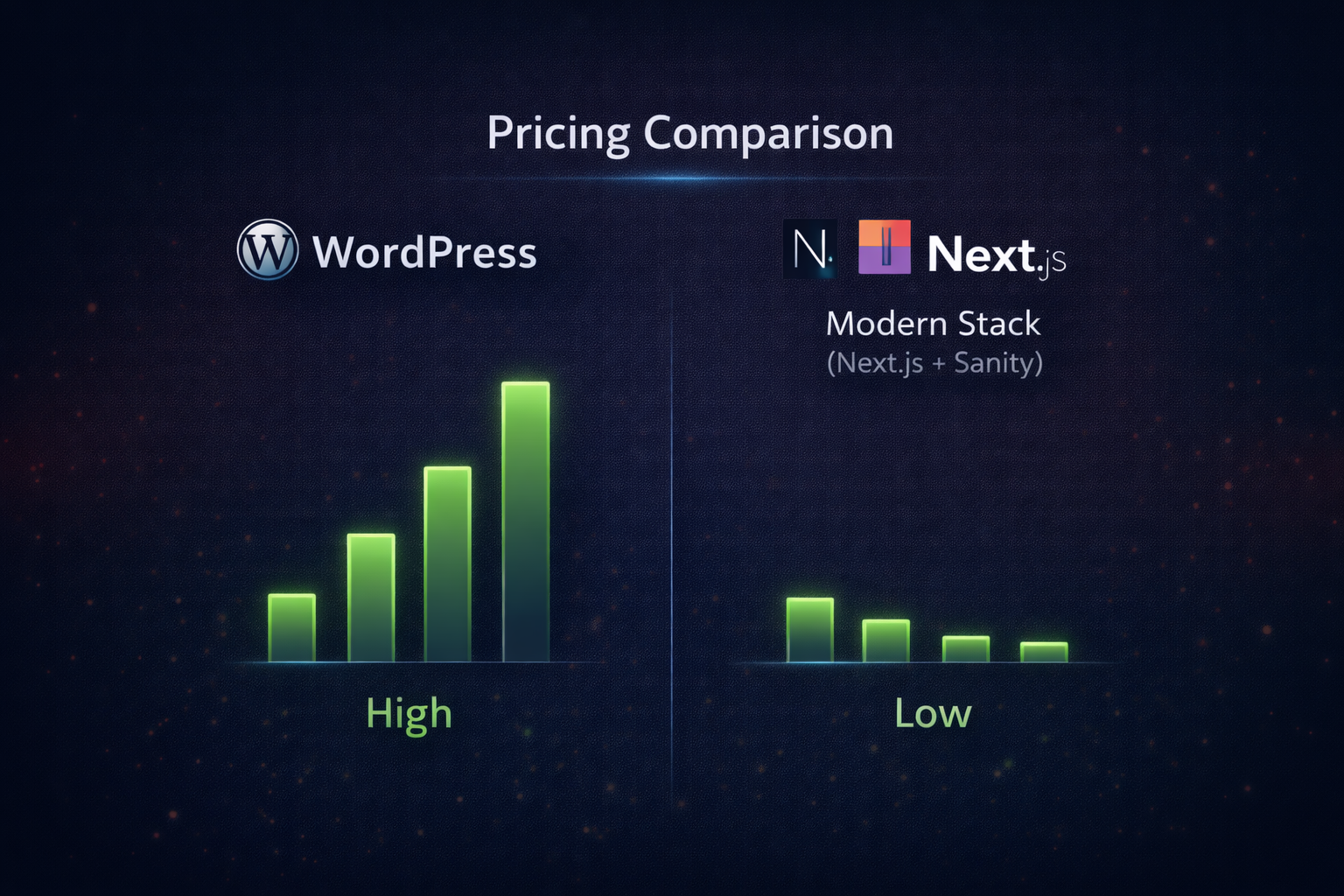
| Tool | Cost |
|---|---|
| WordPress Hosting | Low to Medium |
| Make.com | Free to Paid |
| Sanity | Free tier available |
| Next.js Hosting (Vercel) | Free to scalable paid usage |
The modern stack is not automatically expensive.
In many cases, it is cost-efficient because you pay for a cleaner architecture that scales better as content volume and traffic grow.
Development Time Comparison
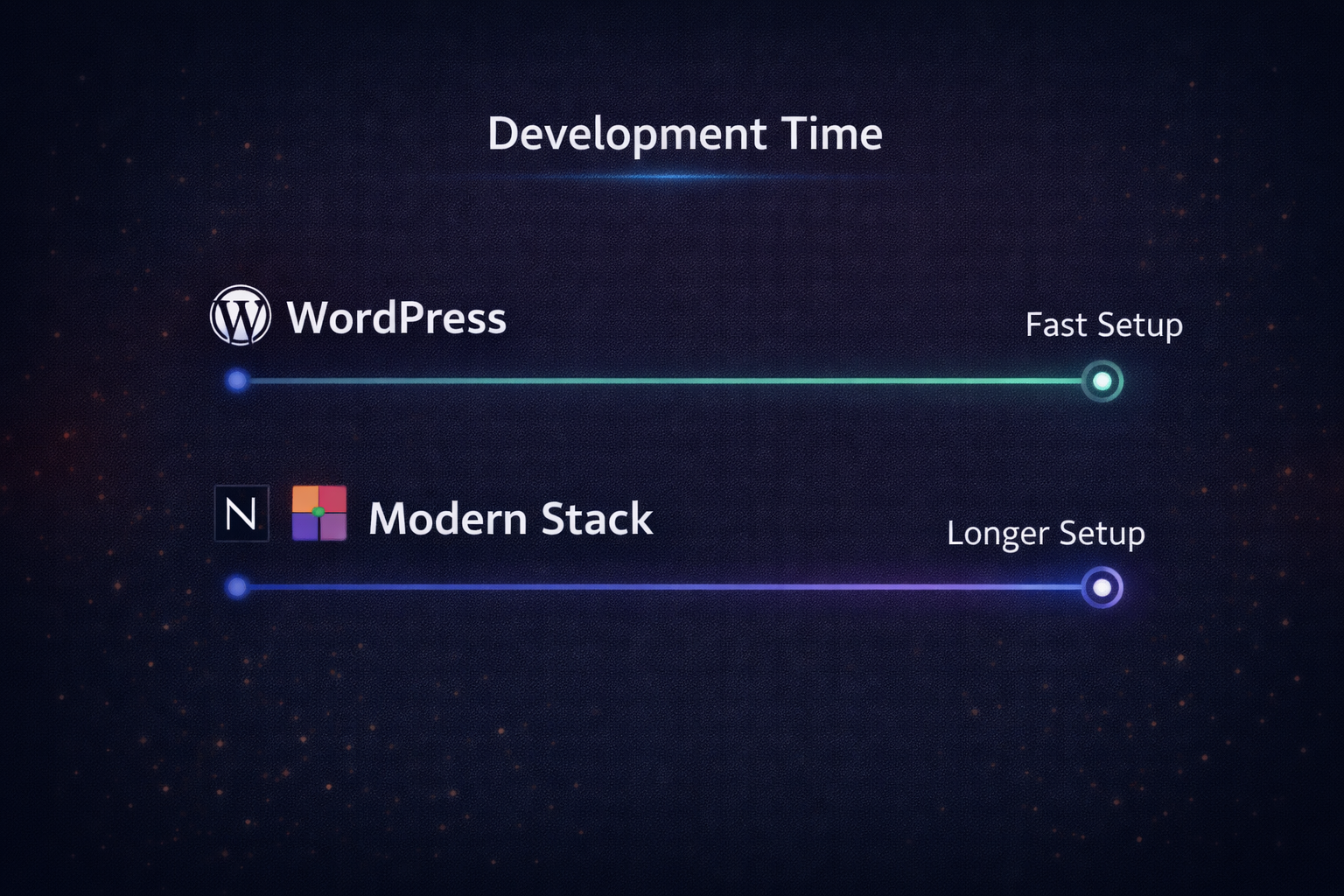
| Setup | Time |
|---|---|
| WordPress Automation | 1 to 2 days |
| Next.js + Sanity Automation | 3 to 7 days |
The modern stack takes longer to set up.
But that extra setup time often pays off because the system is easier to manage, optimize, and extend later.
This is the core tradeoff:
- WordPress = faster start
- modern stack = better long-term value
Is This Still Good for Non-Technical Users?
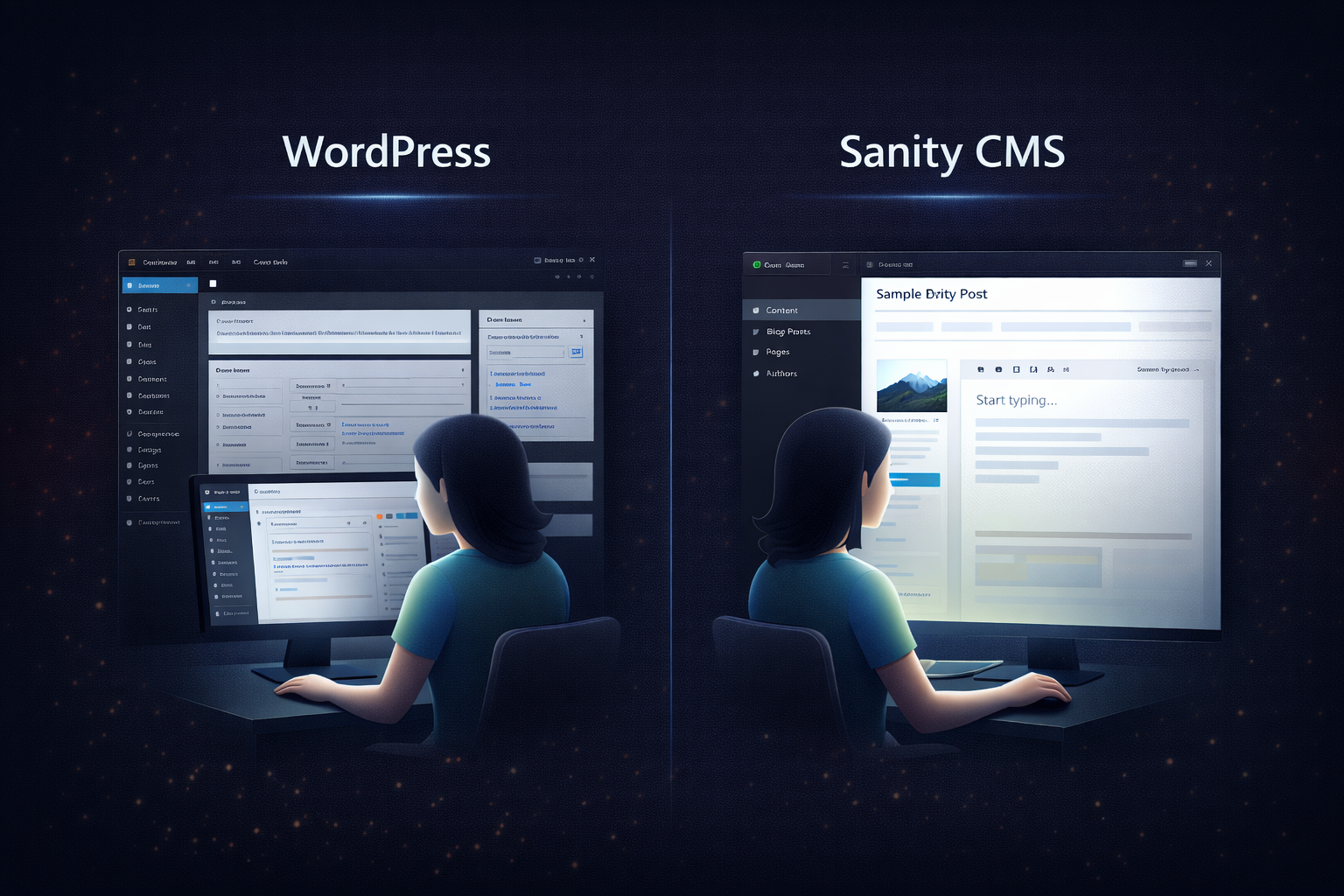
At first glance, WordPress feels easier because it is familiar.
But after setup, Sanity can actually be easier for non-technical teams because:
- the interface can be structured around your workflow
- editors only see relevant fields
- content stays cleaner and more organized
That makes a difference once the content team is publishing repeatedly.
Who Should Use This Setup?
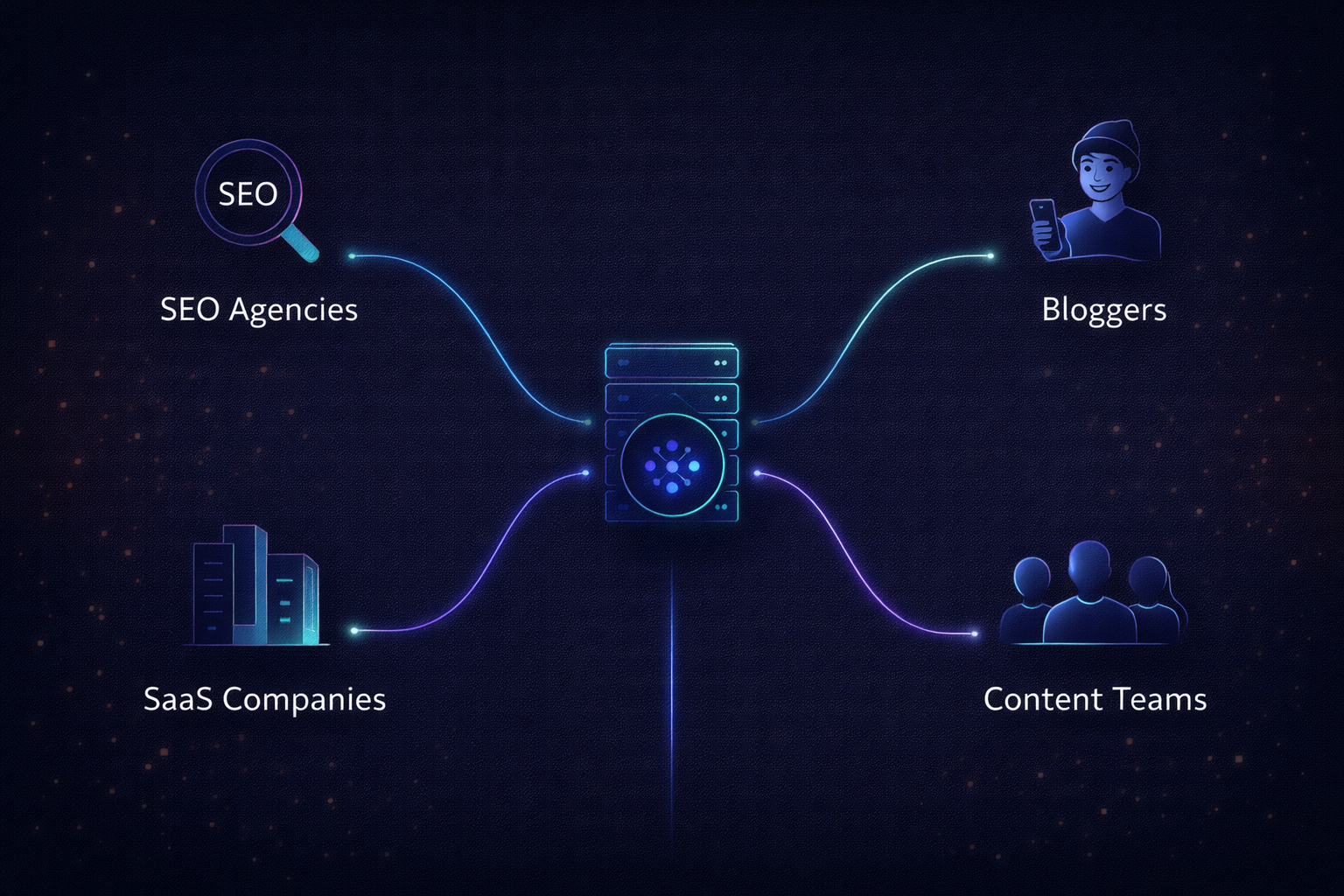
This type of AI blog automation stack is a strong fit for:
- SEO agencies
- SaaS companies
- content teams
- founders building content engines
- blogs publishing at meaningful volume
If content is a real acquisition channel, the stack matters.
The Real Opportunity
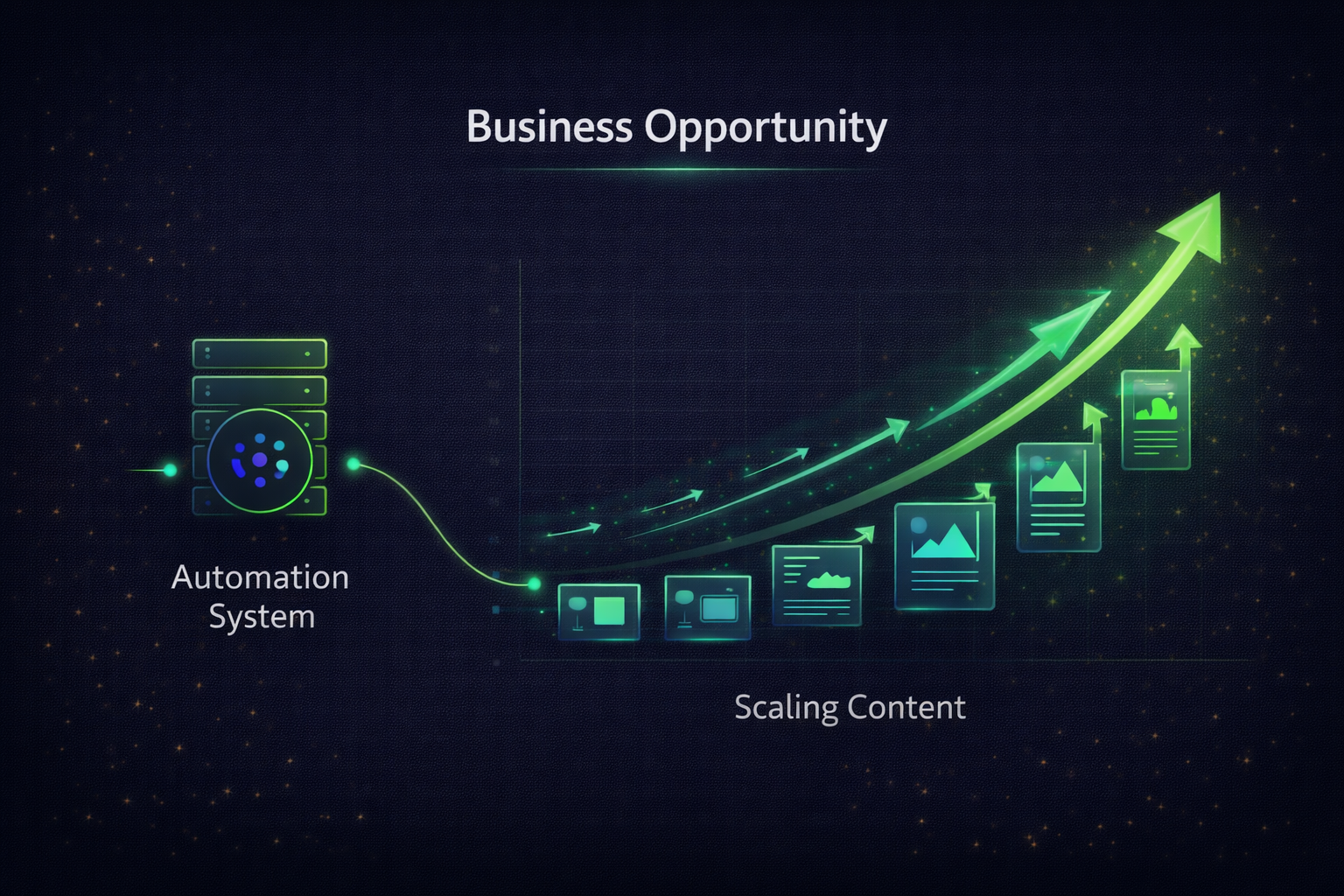
Many teams are automating content.
Very few are doing it with:
- strong frontend performance
- structured content architecture
- scalable editorial workflows
- long-term maintainability
That gap is the opportunity.
The winning setup is not the one that publishes fastest on day one.
It is the one that still performs well after dozens or hundreds of posts.
Our Approach
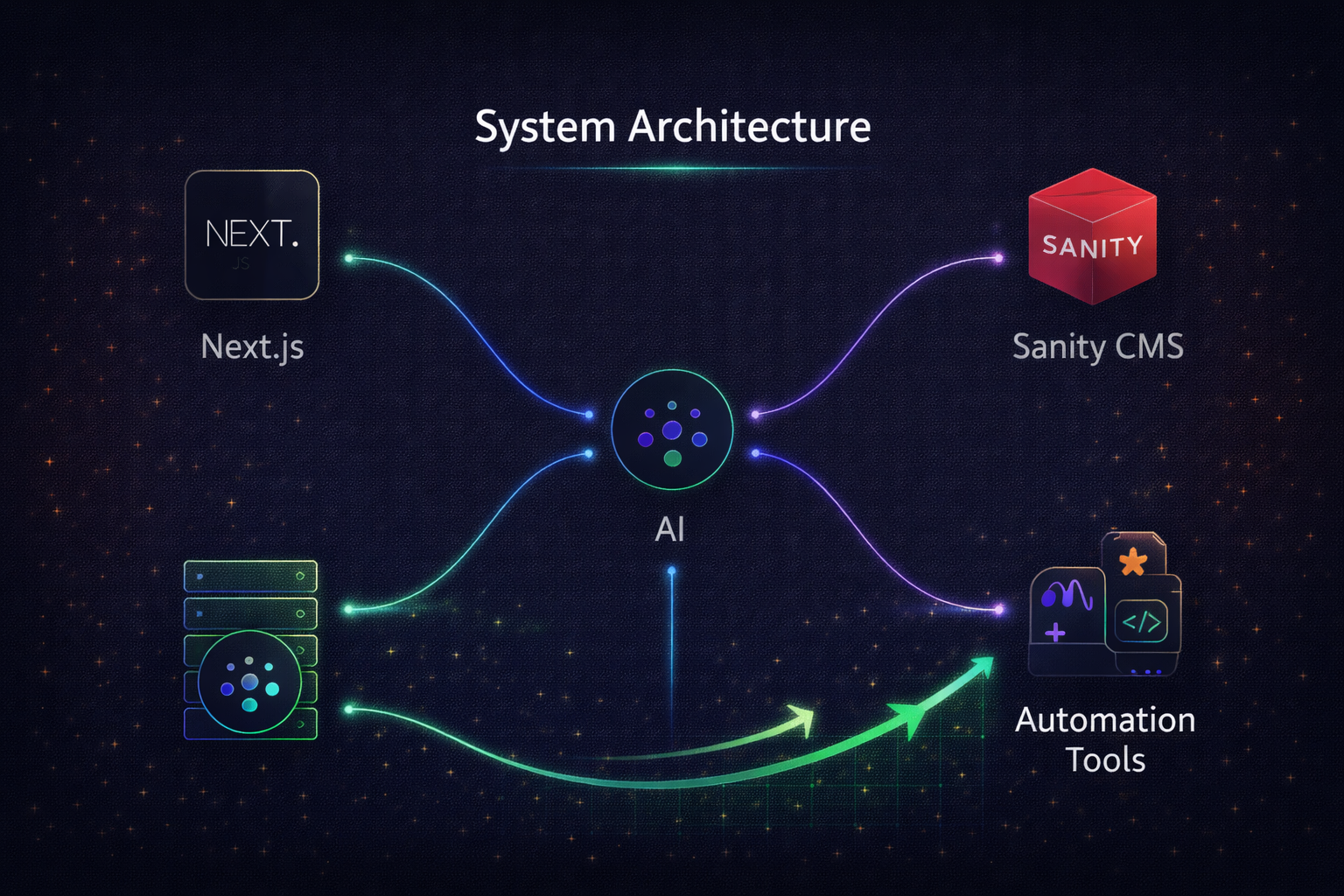
The goal is not just to connect AI to a CMS.
The goal is to build a complete publishing system using:
- Next.js
- Sanity CMS
- AI tooling
- automation workflows
That gives teams a system that can:
- generate content faster
- maintain quality control
- publish with better structure
- perform better in search
Conclusion
AI blog automation is not just about publishing faster.
It is about publishing on a stack that can:
- scale
- perform
- support SEO
- stay maintainable
If you want a quick start, WordPress can work.
If you want a stronger long-term system, Next.js + Sanity is the better foundation.
Related pages: