1. Introduction
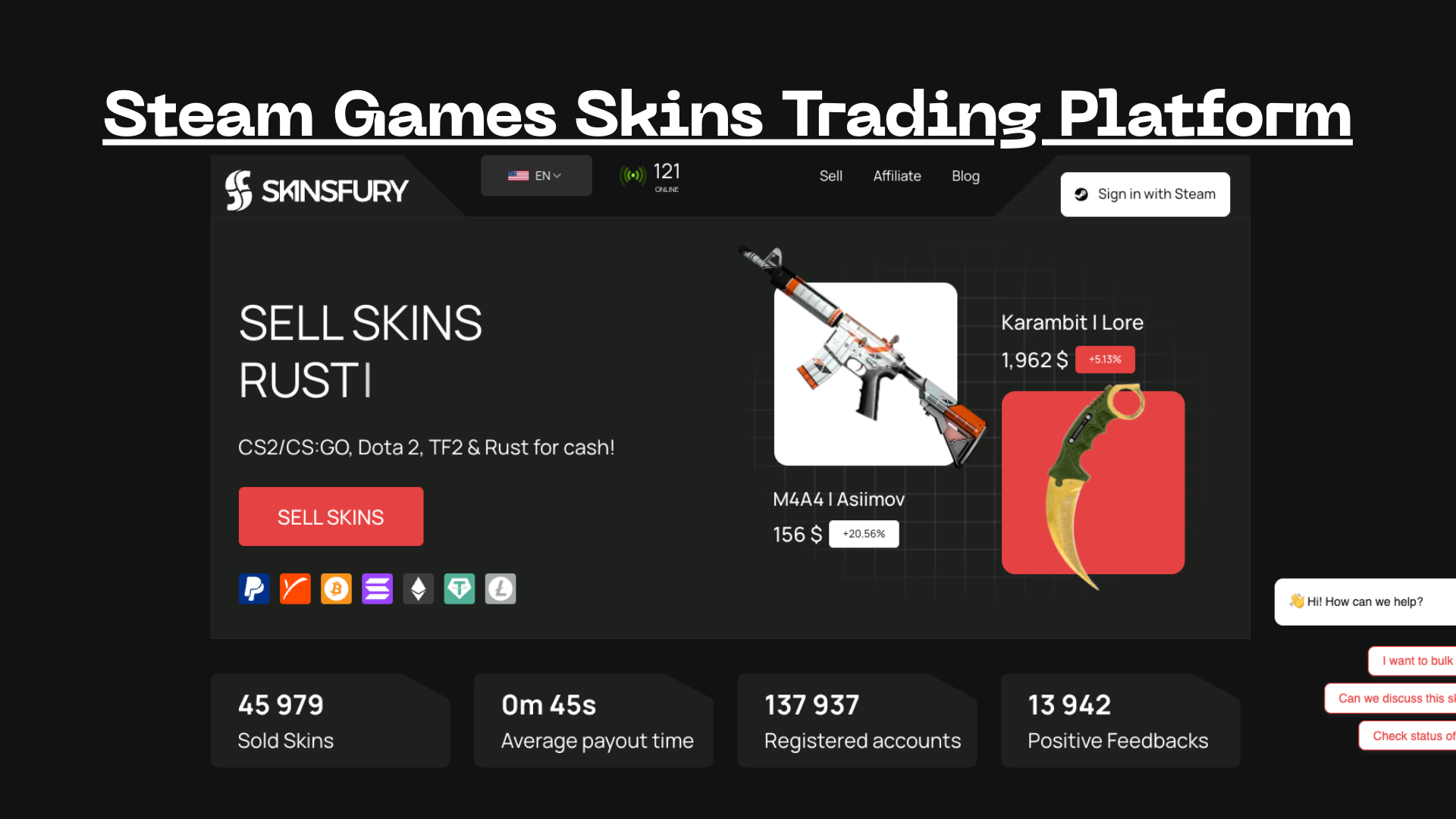
SkinsFury is a full‑stack Steam skin trading platform built to handle real‑time listings, trade automation, and a seamless checkout experience. This case study covers the product goals, architecture decisions, and the systems that make a trading marketplace fast, reliable, and secure.
2. Project Overview
Core Goals
- Fast, trustworthy listings that feel live and accurate.
- Reliable trade automation that reduces friction and errors.
- High‑performance UI for competitive pricing and rapid buying.
- Scalable backend to handle spikes in traffic and trade volume.
My Role
I worked as the full‑stack developer, building the frontend experience in Next.js while developing the backend services in Node.js/Express with MongoDB for data storage and Socket.io for real‑time updates.
3. Tech Stack
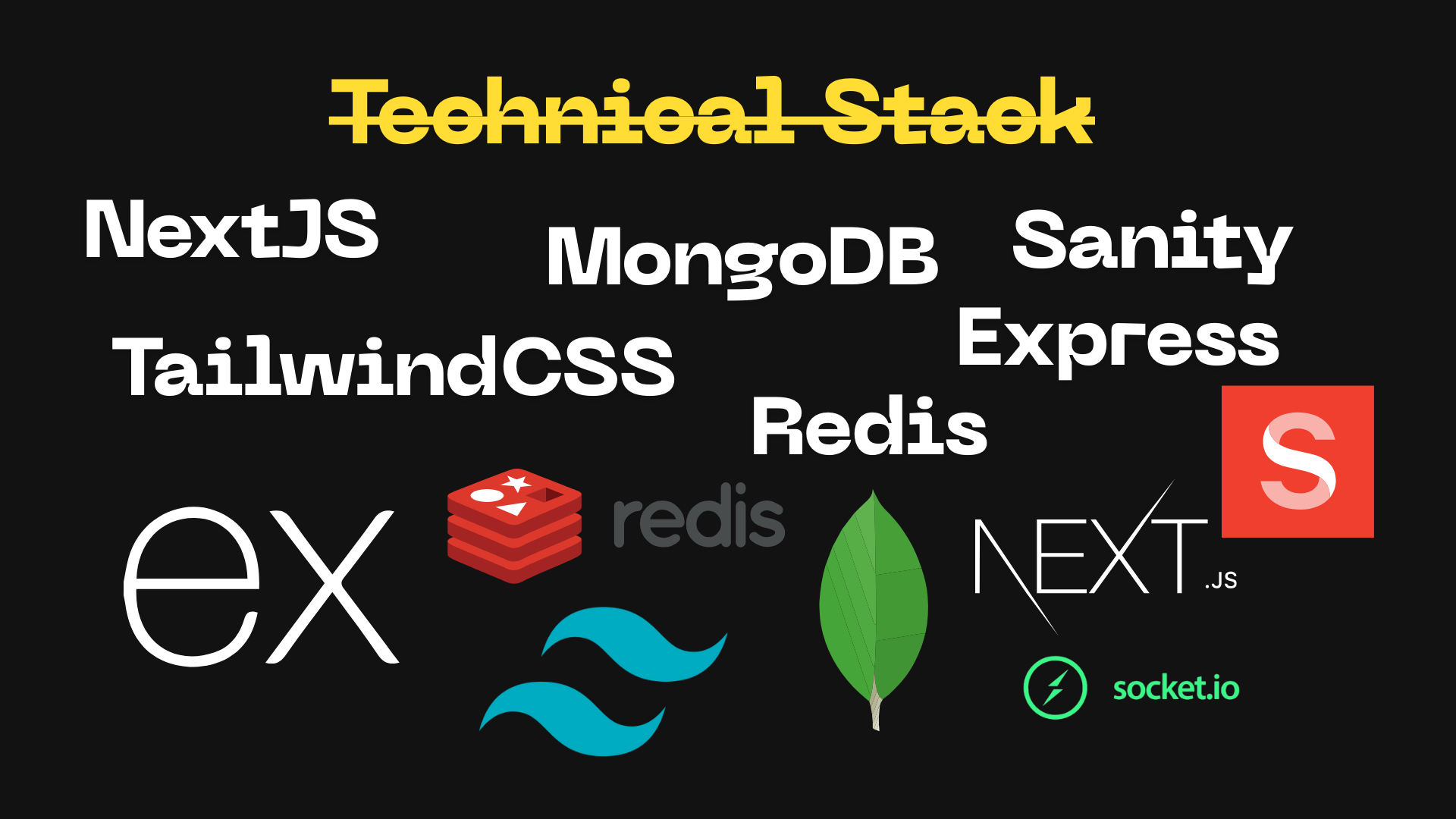
- Frontend: Next.js, React, TailwindCSS
- Backend: Node.js + Express
- Database: MongoDB
- Realtime: Socket.io
- External APIs: Steam API
4. System Architecture (High Level)
The system was designed to separate concerns between the marketplace UI, trade automation, and data synchronization.
- Marketplace UI renders listings, pricing, and item details fast.
- Realtime layer streams price and inventory updates via WebSockets.
- Trade automation coordinates Steam trade offers, validations, and status updates.
- Persistence layer stores listings, trade logs, user wallets, and audit trails.
5. Key Features
Real‑Time Listings
Listings update instantly through Socket.io events, keeping prices and availability consistent across the platform.
Secure Trade Flow
Trades are validated and tracked end‑to‑end, with a focus on status accuracy and minimizing failed trades.
Marketplace UX
The frontend emphasizes speed: fast filtering, quick item search, and immediate “buy now” actions.
Admin Controls
Admin workflows include listing moderation, pricing overrides, and operational controls for automated trades.
6. Performance & Reliability Considerations
- Optimized query patterns for listing pages and item detail views.
- Socket‑based updates to avoid polling and reduce server load.
- Resilient trade queue to retry failed offers and reduce drop‑offs.
- UI skeletons and caching for fast perceived performance.
7. Challenges & Solutions
Challenge: Syncing inventory and pricing in real‑time
Solution: A real‑time event layer using Socket.io with clean event types and throttled update batches.
Challenge: Trade failures due to external dependencies
Solution: Queued trade retries and detailed status tracking for faster recovery.
Challenge: UI consistency under high load
Solution: Optimized rendering, fast search indices, and lean payloads for listing pages.
8. Outcomes
- High‑velocity marketplace UI optimized for conversion.
- Reliable trade automation with clear status flows.
- Scalable foundation that supports growth in listings and users.
9. Conclusion
SkinsFury proves that a real‑time trading marketplace can be fast, reliable, and user‑friendly with the right architecture. By combining Next.js, Node.js, MongoDB, and Socket.io with a focus on performance and trust, the platform delivers a smooth trading experience for both new and experienced users.
If you’re building a marketplace or real‑time product, I’d love to help.